Unpacking Behavioral Trigger Sequences That Align Promotional Credit Releases with Session Milestone Achievements in Portable Reel Systems
Eden Beck · Aug 12, 2026
Unpacking Behavioral Trigger Sequences That Align Promotional Credit Releases with Session Milestone Achievements in Portable Reel Systems
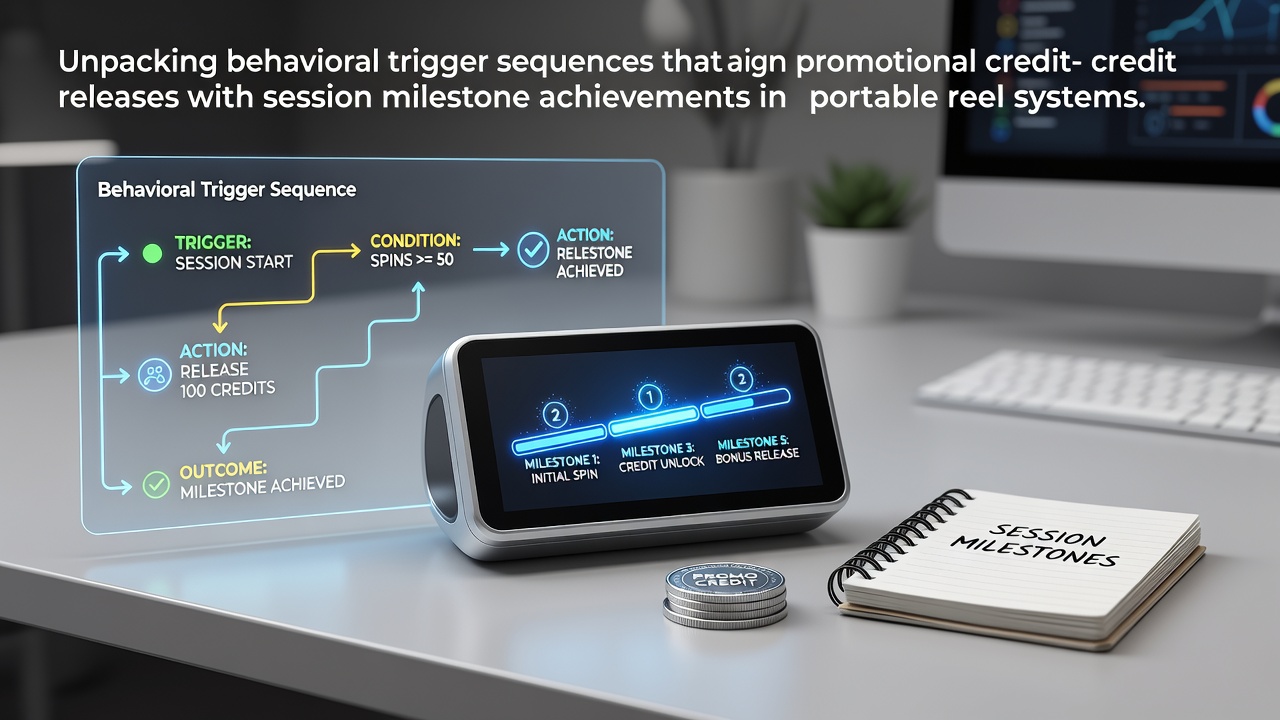
Portable reel systems on mobile platforms track player sessions through a series of behavioral markers that include spin counts, elapsed time, and cumulative wager totals, then release promotional credits when those markers hit predefined thresholds. These sequences operate within the software architecture of slot applications where algorithms monitor real-time data streams and activate credit drops at points such as the 50th spin or after 30 minutes of continuous play. Developers integrate these triggers to maintain engagement metrics without requiring manual intervention from operators.
Core Components of Session Tracking in Mobile Reels
Session data collection begins the moment a user launches a portable reel application and continues until the session ends through logout or inactivity timeouts. Systems log variables including bet size per spin, win frequency, and navigation patterns between different game modes while cross-referencing these against historical player profiles stored in backend databases. According to industry reports from the Pennsylvania Gaming Control Board, mobile slot sessions average 22 minutes in length during peak evening hours, which informs the placement of milestone triggers within that window.
Trigger sequences rely on rule-based engines that evaluate multiple conditions simultaneously rather than single isolated events. A sequence might require both a minimum spin count and a specific return-to-player threshold before releasing credits, ensuring the mechanism aligns with retention goals established by the platform operator. Data from August 2026 showed increased adoption of these layered conditions across North American operators as mobile traffic surpassed desktop activity by 18 percent in several jurisdictions.
How Milestones Trigger Credit Releases
Milestones function as checkpoints within the session timeline where accumulated activity meets criteria coded into the reel system's logic. Examples include the completion of 75 spins within a single game title or the accumulation of 500 credits in total wagers across multiple titles, at which point the system initiates a credit allocation process that appears as an in-app notification. These releases occur automatically through API calls between the game client and the operator's promotion server, bypassing manual approval steps.
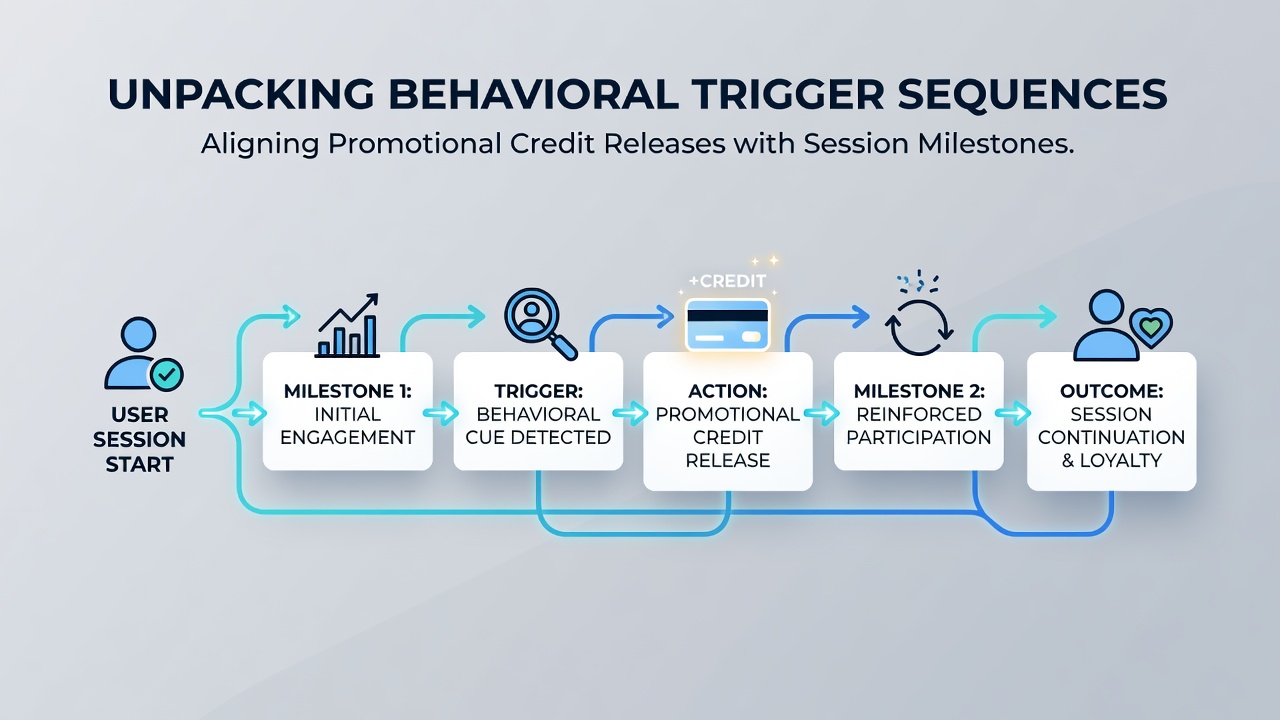
Alignment between triggers and milestones incorporates randomization elements to prevent predictable patterns that players might exploit. Researchers at the University of Nevada, Las Vegas documented how certain systems introduce variance in trigger timing by plus or minus five spins around the target milestone, which maintains the perception of spontaneity while still adhering to overall session performance targets. This approach draws from behavioral analytics frameworks used in other digital entertainment sectors where variable reward schedules sustain longer interaction periods.
Technical Implementation Across Devices
Portable reel applications synchronize session data across iOS and Android environments through cloud-based player accounts that preserve progress even when users switch devices mid-session. The trigger engine evaluates conditions on the server side to reduce opportunities for client-side manipulation, while local caching handles temporary offline scenarios before syncing upon reconnection. Operators in regions such as Ontario have reported that cross-device continuity increases the frequency of milestone achievements by preserving partial progress that would otherwise reset.
Integration with loyalty networks allows promotional credits released through these sequences to carry specific wagering requirements or expiration timers that differ from standard deposit bonuses. One operator in Australia adjusted its sequence parameters in early 2026 to release smaller credit amounts at more frequent milestones, resulting in measurable shifts in average session duration according to internal telemetry shared at industry conferences.
Regulatory Considerations and Data Reporting
Regulatory bodies require operators to document the parameters of behavioral trigger sequences and submit periodic reports on their impact on player behavior. In New Jersey, filings from August 2026 included breakdowns of credit release volumes tied to specific session milestones, revealing that sequences tied to time-based achievements accounted for 34 percent of all promotional distributions in mobile channels. These disclosures help authorities assess whether the mechanisms align with responsible gaming standards without creating unintended encouragement of extended play.
Testing protocols for these systems involve simulation environments that replicate thousands of session scenarios to verify that triggers activate only under intended conditions. External audits examine the randomness elements and confirm that milestone definitions remain consistent across different player segments, from casual users to those with higher engagement levels.
Conclusion
Behavioral trigger sequences in portable reel systems represent a structured method for connecting player activity milestones with promotional credit releases through automated monitoring and evaluation processes. Data collection, rule application, and device synchronization form the operational backbone that enables these alignments while meeting reporting obligations set by various regulatory authorities. Continued refinement of these mechanisms reflects broader trends in mobile gaming analytics and session management practices observed through mid-2026.