Spotlighting Loyalty-Driven Spin Rewards That Extend Beyond Initial Deposits in Online Platforms
Eden Beck · May 17, 2026
Spotlighting Loyalty-Driven Spin Rewards That Extend Beyond Initial Deposits in Online Platforms
Online platforms continue to develop loyalty systems that deliver free spins and related rewards long after players complete their first deposits, and these structures rely on ongoing activity rather than one-time promotions. Research indicates that such programs track player engagement through points accumulated from wagers, time spent on site, and participation in regular challenges. Data from industry reports shows these systems often reset or advance on monthly cycles, allowing consistent access to spin packages without requiring additional funding.
How Loyalty Tiers Unlock Extended Spin Benefits
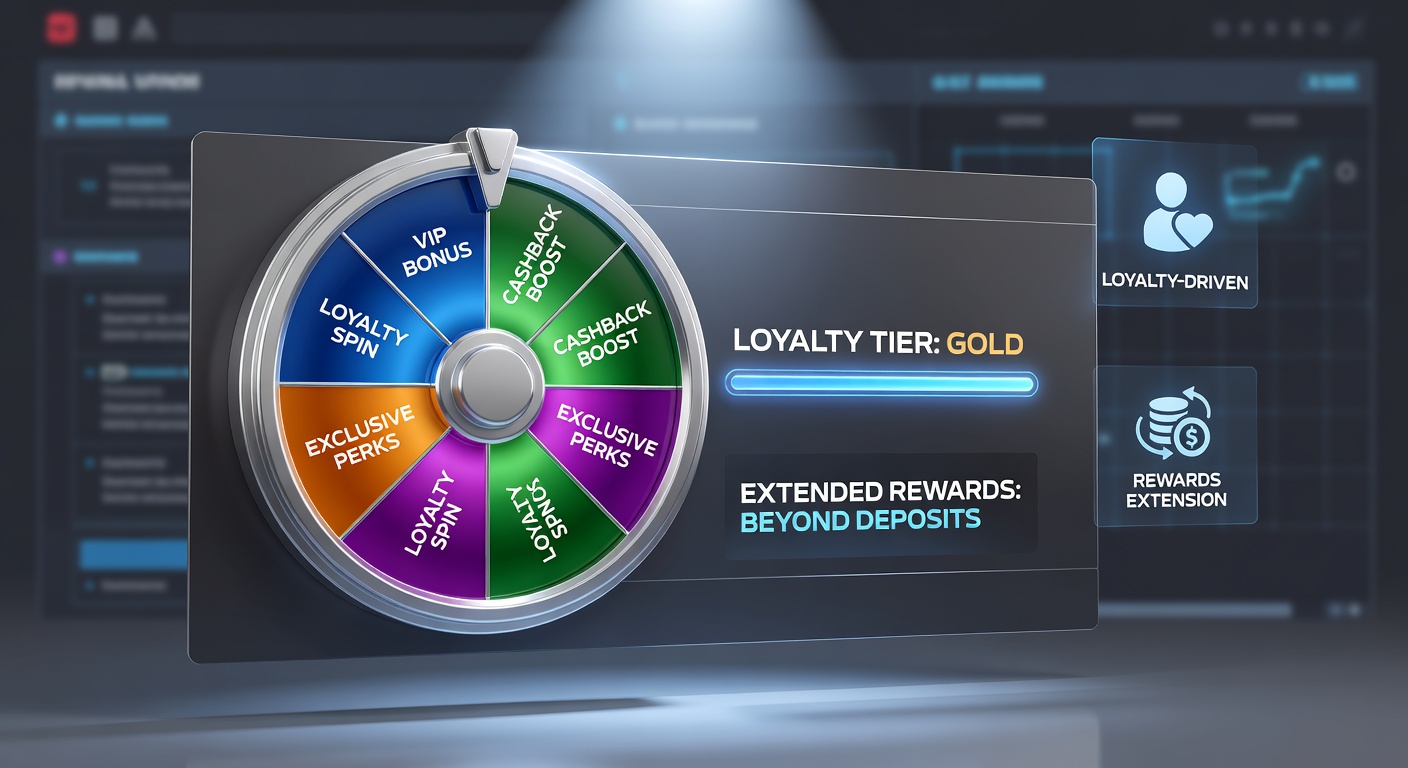
Platforms organize rewards into multiple levels where higher tiers grant larger spin allocations, increased multiplier values, and access to exclusive game selections. Observers note that entry-level participants receive modest daily spins after meeting basic activity thresholds while advanced tiers deliver weekly bundles that can reach several hundred spins depending on volume played. Those who've studied retention metrics find that players who maintain consistent logins see their spin rewards compound over successive periods rather than reset entirely each month.
Figures from regulatory filings reveal that many operators tie spin eligibility to a combination of deposit history and non-deposit actions such as completing achievement lists or referring new accounts. This approach creates pathways for rewards that do not hinge solely on repeated funding. In May 2026 several major platforms adjusted their tier calculations to include social features and community events as qualifying activities, expanding the routes players can use to earn spins without additional deposits.
Tracking Mechanisms and Reward Delivery Systems
Modern loyalty engines log every spin, bet, and session length through centralized accounts that update in real time. Players often find that accumulated points convert automatically into spin credits at set intervals, and notifications arrive via app or email when new bundles become available. What's interesting is how some systems incorporate dynamic pricing where spin values adjust based on current game volatility or seasonal events without requiring player intervention.
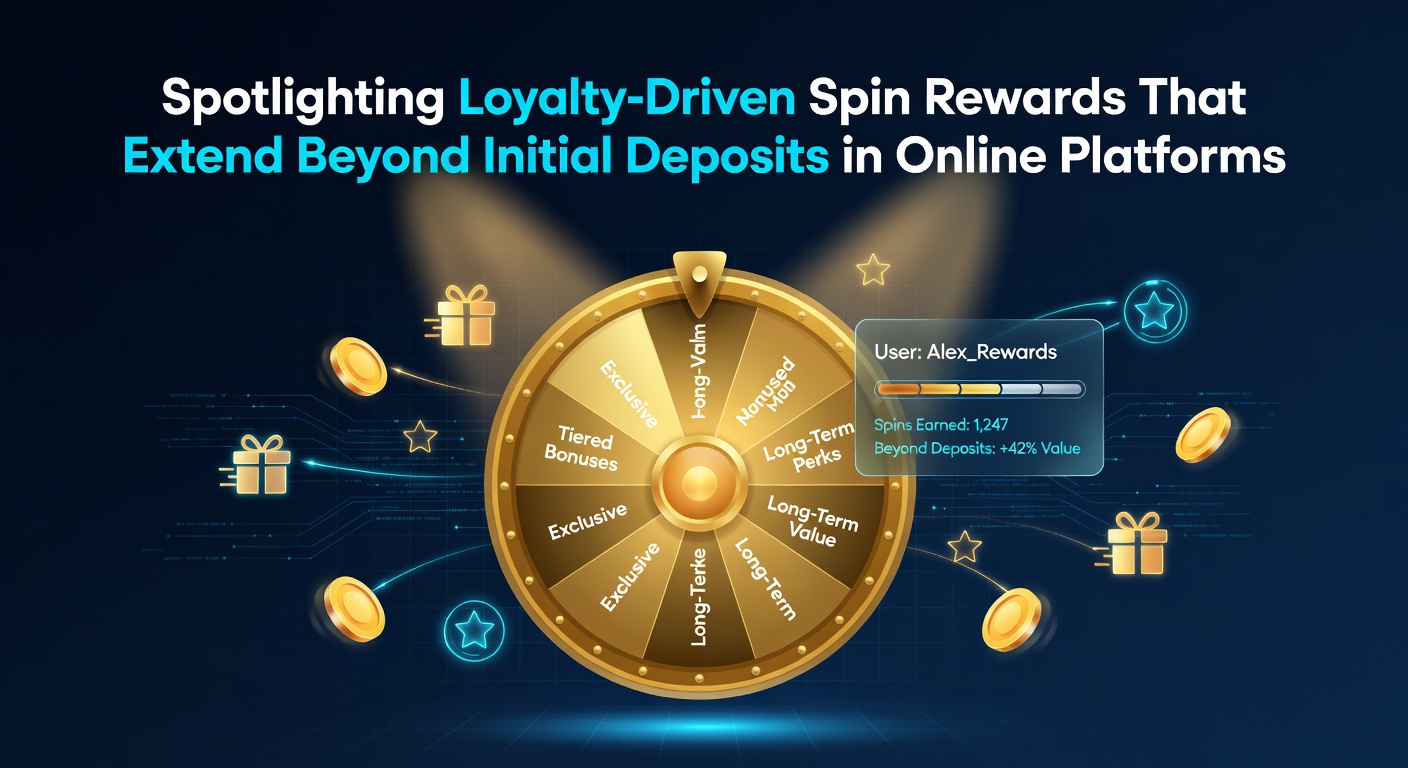
Take one case where analysts examined a North American platform that introduced milestone spins for reaching annual wager targets; participants who hit those marks received spin packages redeemable across dozens of titles rather than restricted selections. Similar patterns appear in reports covering European markets where loyalty currencies function interchangeably with spin credits. According to statistics published by the New Jersey Division of Gaming Enforcement, loyalty-driven redemptions accounted for a measurable share of total player activity during recent reporting periods.
Integration With Broader Platform Features
Spin rewards frequently connect with tournament entries, cashback structures, and personalized game recommendations that adapt as loyalty status rises. Research from academic studies on player behavior indicates that platforms using unified loyalty ledgers see higher repeat engagement rates compared with systems that isolate welcome offers from ongoing benefits. Observers note that cross-promotions sometimes bundle spins with entry into leaderboard competitions where additional spin prizes appear as top placements.
Yet the mechanics differ across jurisdictions because local rules influence how operators structure ongoing rewards. Data shows Canadian provincial frameworks and Australian state regulations both permit loyalty spin systems while imposing distinct transparency requirements on how points convert to playable credits. Platforms operating under these rules publish clear conversion tables that detail exactly how many points equal one spin across various game categories.
Player Pathways and Redemption Patterns
Many accounts demonstrate that individuals progress through tiers by combining regular play with occasional participation in time-limited events that award bonus points. Those patterns produce spin allocations that extend across multiple weeks or months rather than expiring after a single session. Figures reveal that redemption rates climb when platforms allow spins to carry forward into subsequent periods instead of enforcing strict weekly cutoffs.
Industry organizations such as the American Gaming Association have documented growth in loyalty program participation across digital channels, with spin components forming a central element of retention strategies. External links to regulatory summaries further illustrate how these rewards operate within established compliance frameworks without depending on repeated deposits.
Conclusion
Loyalty-driven spin rewards continue to evolve as platforms refine tracking tools and expand qualifying activities beyond initial funding. Statistics and regulatory data demonstrate measurable adoption rates while tier structures provide scalable access that rewards sustained engagement. Observers continue to monitor how these systems integrate with emerging features and jurisdictional requirements as the landscape develops through 2026 and beyond.