Provider Algorithms Behind Spin Package Sizing and Acquisition Metrics
Anna Beck · Jun 24, 2026

Provider Algorithms Behind Spin Package Sizing and Acquisition Metrics
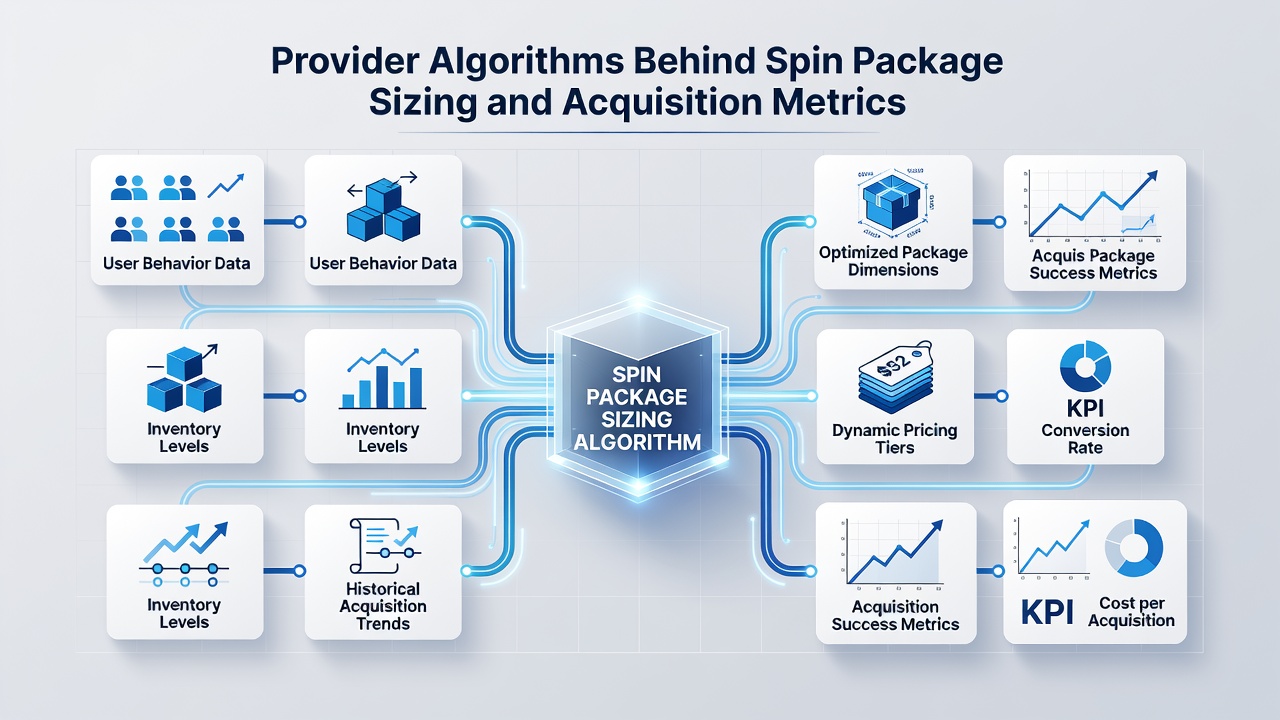
Slot providers rely on sophisticated algorithms to determine the size and structure of spin packages offered during player acquisition campaigns, and these systems draw directly from acquisition metrics such as cost per acquisition, expected lifetime value, and early engagement signals. Research indicates that these models process thousands of data points in real time to calibrate free spin quantities, bonus multipliers, and eligibility thresholds while maintaining profitability targets across different player segments.
Data Inputs That Shape Package Calculations
Algorithms begin by ingesting acquisition cost figures from marketing channels, including paid search, affiliate referrals, and social media campaigns. Data shows that providers adjust spin quantities downward when acquisition costs rise above certain thresholds, and they increase package sizes when projected retention curves suggest higher long-term revenue potential. Figures from the New Jersey Division of Gaming Enforcement reveal that average cost-per-acquisition for mobile slot players reached $48 during the first quarter of 2026, prompting several providers to recalibrate their baseline spin allocations in subsequent months.
Player behavior signals collected within the first 24 hours after registration feed into the same models, and these include deposit frequency, session duration, and initial game selection patterns. Observers note that algorithms assign higher-value spin packages to users who demonstrate rapid engagement while reserving smaller packages for slower converters, thereby optimizing spend across the acquisition funnel. Studies from the Canadian Gaming Association have documented similar segmentation approaches among international providers operating in regulated markets.
Balancing Acquisition Volume Against Retention Outcomes
Providers program retention probability curves into their sizing engines, and these curves estimate how many additional sessions a given spin package will generate before a player reaches natural churn points. Evidence suggests that packages sized too generously can compress lifetime value by accelerating bonus exhaustion, whereas undersized offers fail to convert at competitive rates. Industry reports compiled by the European Gaming and Betting Association indicate that operators testing algorithmic adjustments in 2025 achieved retention lifts between 7 and 12 percent when packages aligned more closely with individual acquisition cost brackets.
June 2026 brought updated regulatory filings from multiple U.S. states that required providers to disclose aggregate bonus allocation methodologies, and these disclosures confirmed the continued use of dynamic multipliers tied to real-time acquisition performance. Analysts tracking those filings observed that providers reduced average spin package sizes by roughly 15 percent in markets where affiliate-driven acquisition costs spiked during the spring months.
Regional Variations in Algorithmic Application
Markets with strict bonus caps, such as certain Australian jurisdictions, force providers to compress spin quantities while extending playthrough requirements instead, and data from the Australian Communications and Media Authority shows that these constraints have led to more granular segmentation based on predicted deposit velocity. In contrast, emerging U.S. markets without explicit bonus limits allow wider variance in package sizing, which in turn permits providers to test larger initial offers against lower-cost acquisition cohorts.
Cross-device tracking further refines these calculations because algorithms now incorporate device type and operating system signals when estimating acquisition quality. Research published by the University of Nevada, Reno gaming research center found that mobile-first users required 22 percent fewer spins on average to reach the same retention milestones as desktop registrants, prompting providers to scale packages accordingly during campaign planning phases.
Future Adjustments and Measurement Frameworks
Providers continue to refine measurement frameworks that tie spin package performance directly to downstream metrics such as second-deposit conversion and 30-day gross gaming revenue per acquired player. Reports from the Gaming Analytics Institute highlight the growing adoption of reinforcement learning models that update sizing rules weekly based on live campaign results rather than relying on static historical averages.
These evolving systems allow providers to respond quickly when acquisition channels shift, whether through changes in advertising platform policies or seasonal fluctuations in player interest. The result remains a continuous feedback loop where acquisition metrics dictate package parameters and package outcomes reshape future acquisition strategies across global slot markets.
Conclusion
Provider algorithms for spin package sizing have become central to acquisition economics because they translate raw performance data into actionable offer structures that balance volume and value. As regulatory transparency increases and data sources multiply, those same algorithms will likely incorporate additional variables while maintaining focus on measurable acquisition and retention outcomes.