Patterns in Data-Driven Customization of Slot Reward Tiers Across Mobile Ecosystems
Anna Beck · May 20, 2026
Patterns in Data-Driven Customization of Slot Reward Tiers Across Mobile Ecosystems
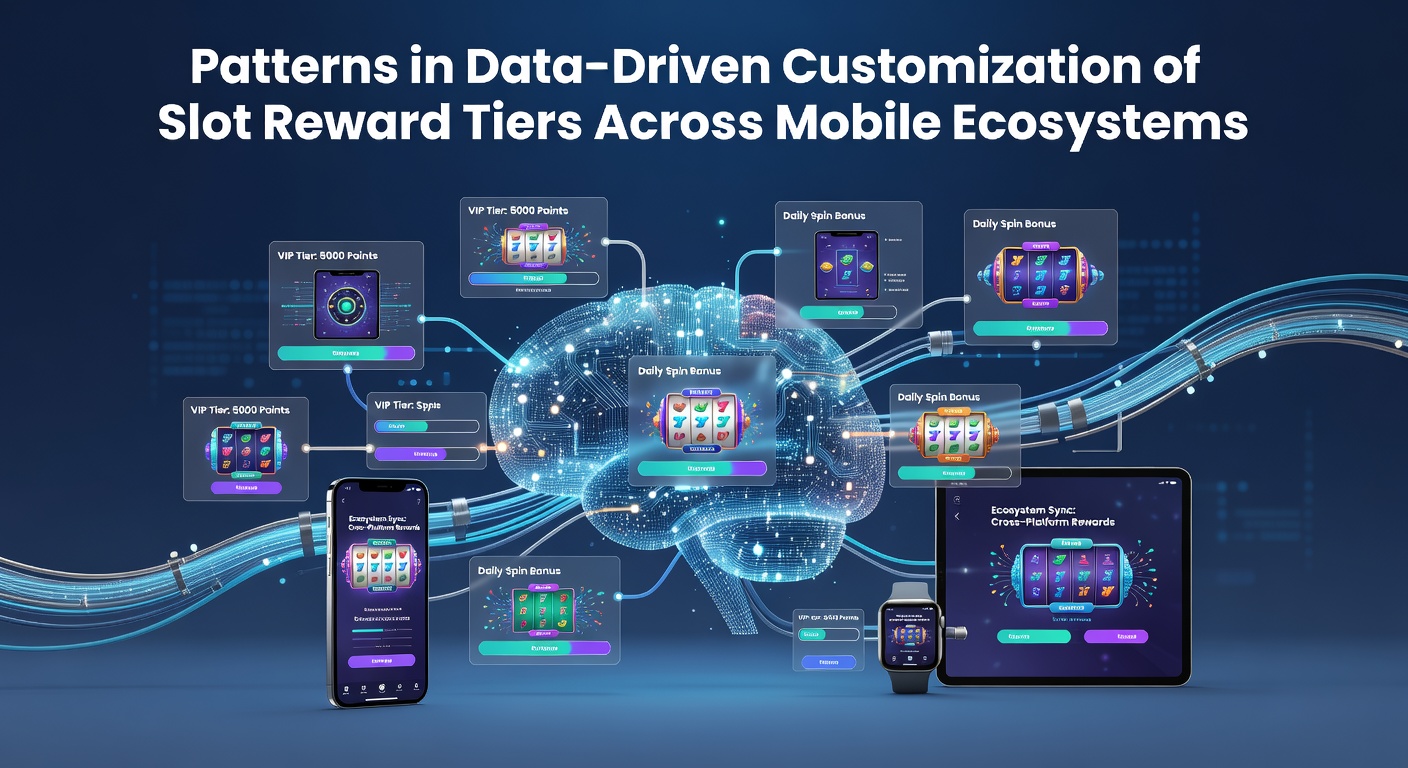
Analysts tracking mobile slot platforms have documented clear patterns where operators rely on aggregated player data to adjust reward tiers in real time, and these adjustments reflect differences in device ecosystems, regional regulations, plus engagement metrics collected through in-app behaviors. Researchers at various institutions note that iOS and Android environments produce distinct data streams because of how each operating system handles session tracking and push notifications, which in turn influences how reward structures evolve for different user groups.
Data Inputs Shaping Reward Customization
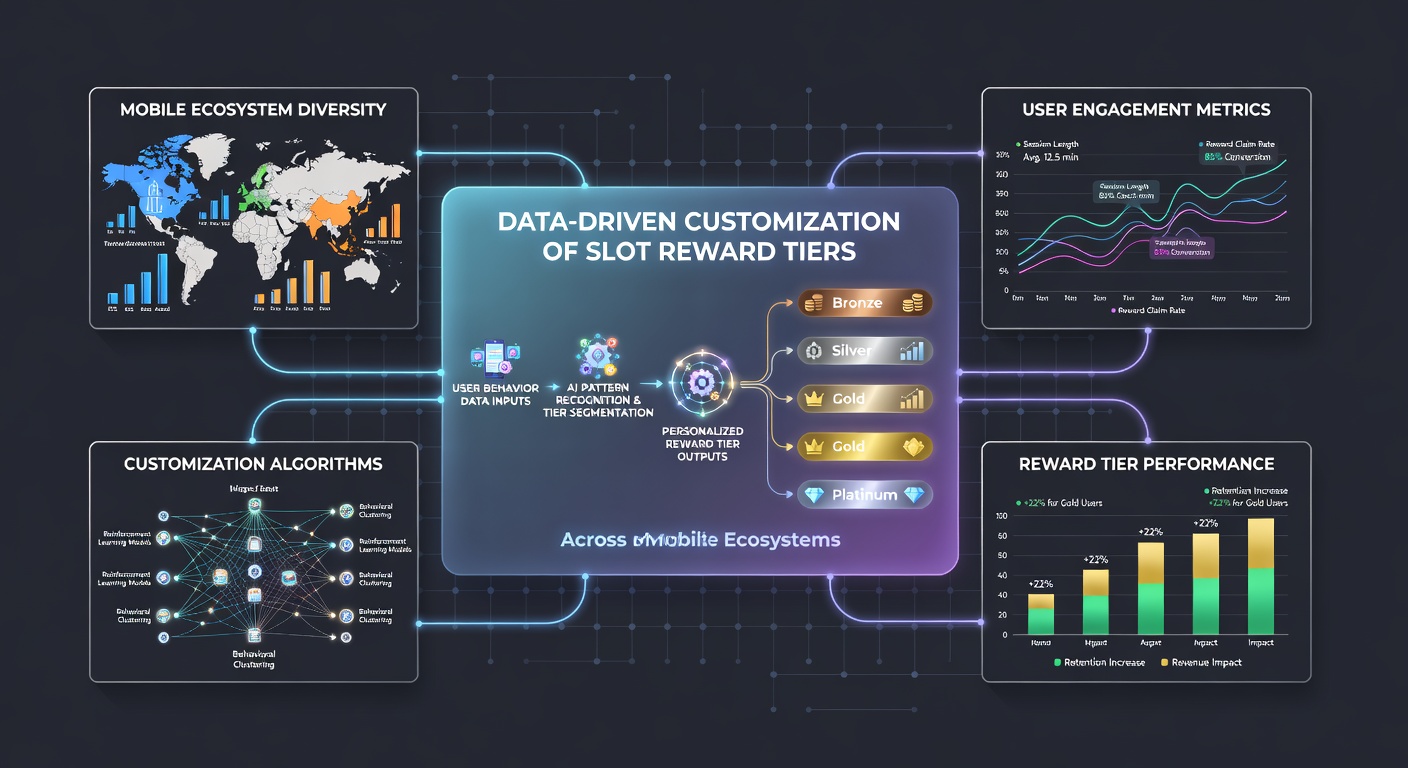
Operators gather information on spin frequency, session duration, deposit patterns, and feature interaction rates before feeding those variables into tier-assignment algorithms, and studies from the University of Nevada Reno Gaming Research Center show that such inputs allow platforms to shift users between bronze, silver, and gold levels without manual intervention. The process relies on machine-learning models that update nightly, which means a player who increases activity during a weekend promotion can move tiers by Monday morning while another user with steadier but lower-volume play remains in place. Observers point out that these models also incorporate location data when permitted, enabling operators to offer time-sensitive bonuses that align with local events or holidays.
Regional Differences Across Mobile Markets
North American operators tend to emphasize deposit-velocity metrics when customizing tiers, whereas European adn Australian platforms give greater weight to retention signals such as consecutive login streaks, and reports from the Australian Institute of Criminology indicate that these contrasting priorities produce measurable differences in average tier-upgrade times. In markets where regulators require transparent disclosure of algorithmic criteria, customization patterns appear more conservative, yet the underlying data pipelines remain similar. Figures released in early 2026 reveal that cross-border operators running parallel apps on both continents adjust tier thresholds quarterly to maintain compliance while preserving engagement lift.
Platform-Specific Patterns in 2026
By May 2026 several major providers had rolled out unified dashboards that merge iOS and Android telemetry into single tier engines, allowing simultaneous testing of reward variants across ecosystems, and data shared at industry briefings showed that Android users in emerging markets received more frequent micro-rewards while iOS cohorts in mature markets saw larger milestone bonuses. These divergences stem from observed differences in average spend per session and from hardware variations that affect how smoothly bonus animations load. Take one development team that noticed Android devices in Southeast Asia produced shorter but more numerous sessions; the group responded by creating a tier that granted incremental free-spin packs after every fifth login rather than waiting for a weekly target.
Case Examples from Live Deployments
One North American operator implemented a tier system that automatically downgraded inactive users after fourteen days of zero spins and simultaneously offered re-entry incentives tied to previous tier status, and internal metrics indicated that reactivation rates rose when the offer arrived within forty-eight hours of the downgrade notice. In another deployment, an Asian platform introduced a hybrid tier that blended spend and social-sharing activity, granting bonus multipliers when players invited contacts who then completed verified deposits. Such experiments rely on A/B testing frameworks that isolate device type, operating-system version, and geographic cluster before any permanent change reaches the full user base.
Regulatory and Technical Considerations
Regulators in several jurisdictions now require operators to retain audit logs of every tier change and the data points that triggered it, which has prompted vendors to build immutable timestamped records into their analytics stacks. Those logs also feed compliance reports submitted monthly to bodies such as the Nevada Gaming Control Board and equivalent authorities in other regions. Meanwhile, privacy frameworks limit the granularity of certain personal attributes that can be used, pushing developers toward aggregated cohort analysis instead of individual profiling. The result is a set of tier patterns that feel personalized yet remain statistically grounded in group behavior.
Conclusion
Patterns emerging from data-driven slot reward customization across mobile ecosystems illustrate how operators balance engagement goals with regulatory constraints and technical differences between platforms. Continued refinement of these systems through 2026 and beyond will likely depend on further integration of cross-device analytics while preserving the transparency demanded by oversight agencies and the performance expectations of diverse user bases.