Mapping the Flow of Promotional Incentives Across Multi-Jurisdictional Slot Networks and Their Impact on User Retention Patterns
Eden Beck · Aug 26, 2026
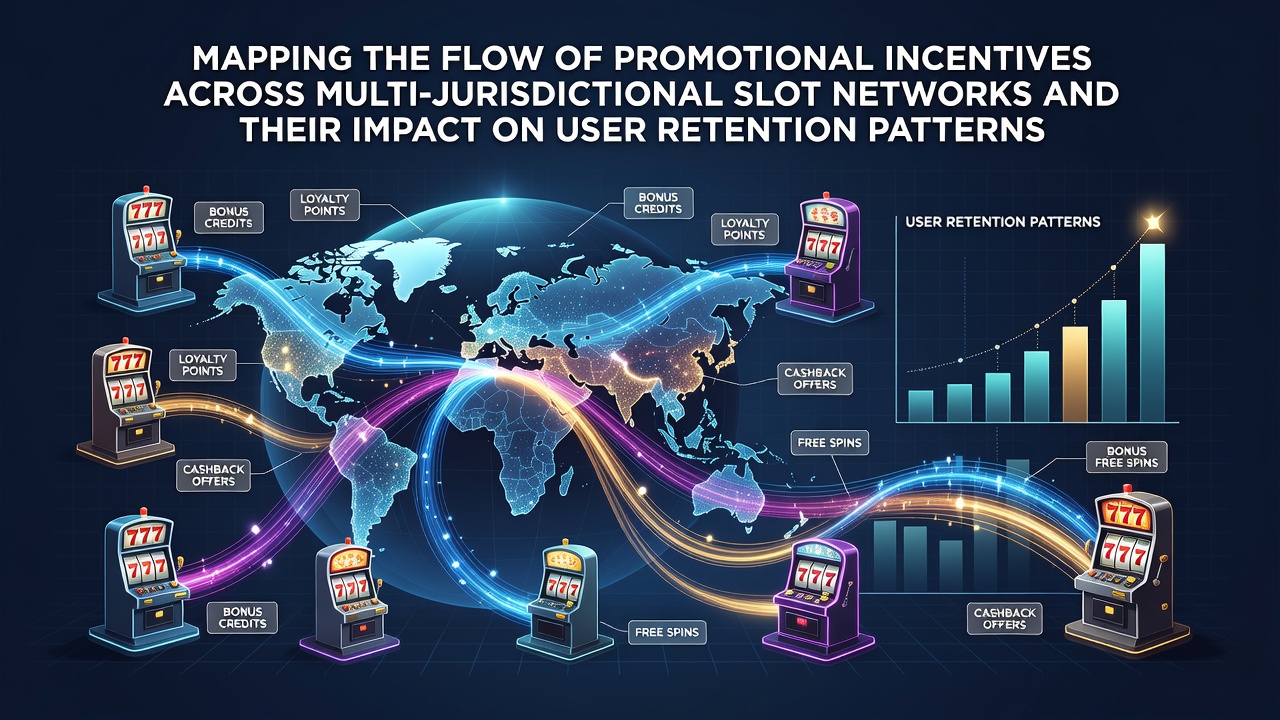
Mapping the Flow of Promotional Incentives Across Multi-Jurisdictional Slot Networks and Their Impact on User Retention Patterns
Promotional incentives in slot networks travel through interconnected systems that span state lines and national borders, with operators tracking how free spins, deposit matches, and loyalty points move between regulated markets to sustain player engagement over extended periods. Data from multi-state platforms reveal that these flows often align with regulatory variations, where one jurisdiction might cap bonus values while another permits unlimited rollover structures, creating pathways that operators use to redirect incentives toward regions with higher retention thresholds.
Regulatory Variations Shape Incentive Pathways
Slot operators manage these networks by mapping player accounts across different licensing bodies, and researchers note that August 2026 brought fresh compliance adjustments in several North American markets that altered how bonuses transfer between accounts. In jurisdictions with strict wagering rules, incentives tend to route through shared loyalty databases that allow partial credit accumulation, whereas looser frameworks enable full value transfers that keep users active across multiple platforms. Studies from gaming commissions in Ontario and New Jersey indicate that such routing maintains consistent play sessions, with retention metrics rising when incentives cross borders without triggering additional verification delays.
Those who analyze transaction logs find that promotional credits originating in one state often convert into playable balances in another through API-linked systems, and this process supports longer user lifecycles when the receiving market offers favorable game selections. Evidence from industry reports shows retention patterns strengthen when networks prioritize seamless transfers, particularly during periods of seasonal regulatory reviews that affect bonus eligibility.
Data Patterns in Retention Across Borders
Retention data collected from cross-jurisdictional slot operations demonstrate that users who receive incentives routed from multiple sources exhibit higher session frequencies compared to those limited to single-market offers. Figures released by the Australian Communications and Media Authority highlight how layered bonus structures, when mapped across regions, reduce churn rates by distributing reward triggers evenly throughout the calendar year. Operators adjust these flows based on observed behaviors, such as increased deposits following successful transfers of free spin allocations from high-regulation to moderate-regulation zones.

Analysts track these movements through centralized dashboards that aggregate player data from participating networks, and the resulting insights reveal that retention improves when incentives include progressive elements tied to activity in secondary jurisdictions. For instance, a deposit bonus earned in a primary market can unlock additional spins in an affiliated network, extending engagement windows without requiring new registrations. Research indicates this approach stabilizes user bases during regulatory shifts, as seen in coordinated updates across Canadian provinces and U.S. tribal compacts throughout 2026.
Network Mapping Techniques and Player Behavior
Mapping tools employed by slot providers combine transaction histories with geographic tagging to visualize incentive routes, allowing teams to identify bottlenecks where delays reduce retention impact. Observers note that networks with efficient mapping maintain higher active user counts because players encounter fewer interruptions when claiming rewards across borders. Data shows that retention curves flatten less sharply when promotional flows incorporate real-time adjustments based on jurisdiction-specific player feedback loops.
Examples from operational logs include cases where loyalty points accumulated in one market convert directly into cashback opportunities in another, sustaining momentum for users who split their activity between devices and locations. Such conversions rely on standardized protocols that respect each area's legal boundaries while preserving the promotional value that encourages continued play.
Conclusion
The mapping of promotional incentive flows across multi-jurisdictional slot networks continues to influence retention patterns through structured transfers that adapt to regulatory differences and player activity signals. Organizations monitoring these systems report sustained engagement when routes remain clear and conversions stay timely, with data from diverse regions underscoring the role of coordinated network design in supporting long-term user participation.