Inside Player Acquisition Funnels: The Strategic Use of Free Reel Rotations in Casino Outreach Efforts
Eden Beck · Jul 26, 2026
Inside Player Acquisition Funnels: The Strategic Use of Free Reel Rotations in Casino Outreach Efforts
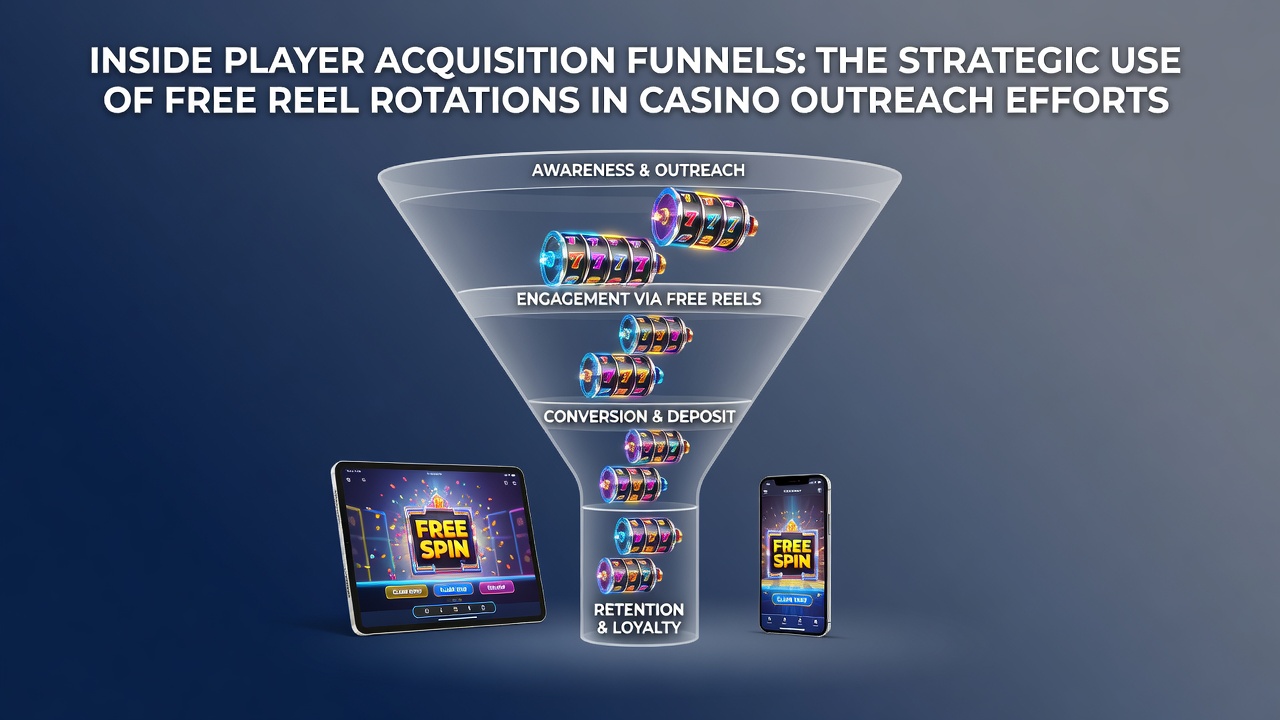
Operators in the gaming sector have refined player acquisition funnels by integrating free reel rotations into targeted outreach sequences, where initial contacts through email lists, social media ads, and mobile push notifications lead new users toward registration and first deposits. Research from industry reports indicates that these rotations function as entry points in multi-stage campaigns, guiding prospects through awareness, consideration, and conversion phases while tracking engagement at each step. Data compiled by the American Gaming Association shows acquisition costs have stabilized in several markets during 2026, partly because operators allocate free reel incentives based on user behavior signals collected from prior interactions.
Mapping the Funnel Stages with Free Reel Allocations
Acquisition funnels typically begin with broad outreach that introduces free reel rotations as low-commitment offers, then narrow to segmented groups who demonstrate higher intent through clicks or partial registrations. Observers note that providers segment audiences by device type and traffic source, assigning different rotation quantities to mobile users versus desktop visitors because mobile traffic converts at distinct rates according to internal analytics platforms. In July 2026, several operators adjusted rotation caps after reviewing quarterly performance dashboards that highlighted saturation points in repeat outreach waves.
Those who have examined campaign data find that free reel rotations placed early in the sequence generate higher open rates for subsequent messages, while rotations delivered after verification steps correlate with improved deposit conversion percentages. Case examples from North American operators reveal that combining rotations with time-limited access windows creates urgency that moves prospects through the funnel faster than static offers alone.
Data Integration and Personalization Techniques
Modern funnels rely on real-time data feeds that adjust free reel quantities based on acquisition channel performance, geographic location, and device engagement patterns. Figures from regulatory filings in Nevada and New Jersey indicate operators have expanded testing of dynamic allocation systems that scale rotation offers according to predicted lifetime value estimates derived from early session metrics. Researchers at institutions such as the University of Nevada, Las Vegas have documented how these systems reduce wasted impressions by limiting rotations to users who match predefined behavioral thresholds.
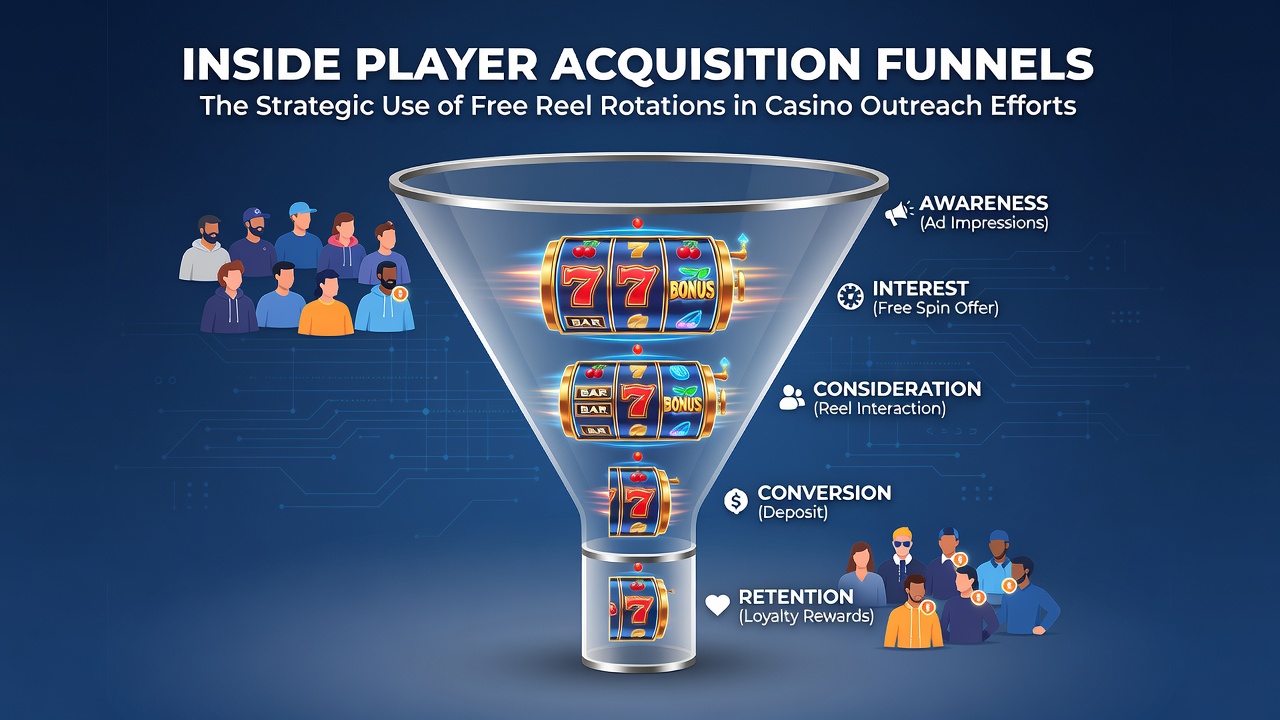
But here's the thing: integration between customer relationship management tools and reel rotation engines allows campaigns to trigger additional spins only when certain milestones occur, such as completing a profile or linking a payment method. This conditional approach keeps acquisition costs contained while maintaining steady inflow from paid traffic sources. Australian regulatory summaries from the past year similarly highlight how operators there have adopted comparable conditional structures to comply with marketing guidelines while pursuing new player segments.
Channel-Specific Deployment Patterns
Outreach through affiliate networks and paid social channels often features free reel rotations bundled with registration links, whereas direct email sequences introduce rotations after initial opens to nurture warmer leads. Studies from Canadian provincial gaming commissions reveal that email-driven funnels achieve higher retention of acquired players when rotations are paired with progressive reward ladders that unlock after the first deposit. Mobile app install campaigns, by contrast, frequently deploy rotations as post-install incentives to encourage immediate session starts and reduce uninstall rates within the first 24 hours.
What's interesting is how cross-channel attribution models help operators reallocate rotation budgets toward the highest-performing pathways. In July 2026, several large platforms reported shifting emphasis toward in-app messaging after attribution data showed stronger downstream deposit activity from users who received rotations through that channel rather than through external ads.
Measurement Frameworks and Performance Indicators
Key performance indicators tracked within these funnels include cost per acquired player, rotation redemption rates, and time-to-first-deposit intervals. Operators monitor these metrics through unified dashboards that aggregate data from multiple touchpoints, enabling rapid adjustments to rotation quantities or targeting criteria. Evidence from European gaming association reports suggests that funnels incorporating tiered rotation offers based on traffic quality achieve more consistent acquisition volumes month over month compared with fixed-offer approaches.
Those who've studied this space know that balancing rotation generosity with conversion targets requires ongoing calibration, especially when external factors such as seasonal traffic fluctuations or platform policy changes affect reach. Recent adjustments observed in several jurisdictions demonstrate how operators refine these parameters in response to updated performance baselines.
Conclusion
Player acquisition funnels that incorporate free reel rotations continue to evolve through tighter integration of data systems and channel-specific tactics. Operators apply measured allocation strategies to move prospects from initial outreach to active play, relying on performance indicators and conditional triggers to sustain efficiency. As regulatory environments and consumer behaviors shift through 2026, the frameworks supporting these funnels provide operators with structured methods for managing acquisition volume and quality across digital touchpoints.