Examining Regional Variations in Digital Gaming Incentive Programs and Their Effects on User Retention Rates
Anna Beck · Jul 12, 2026
Examining Regional Variations in Digital Gaming Incentive Programs and Their Effects on User Retention Rates
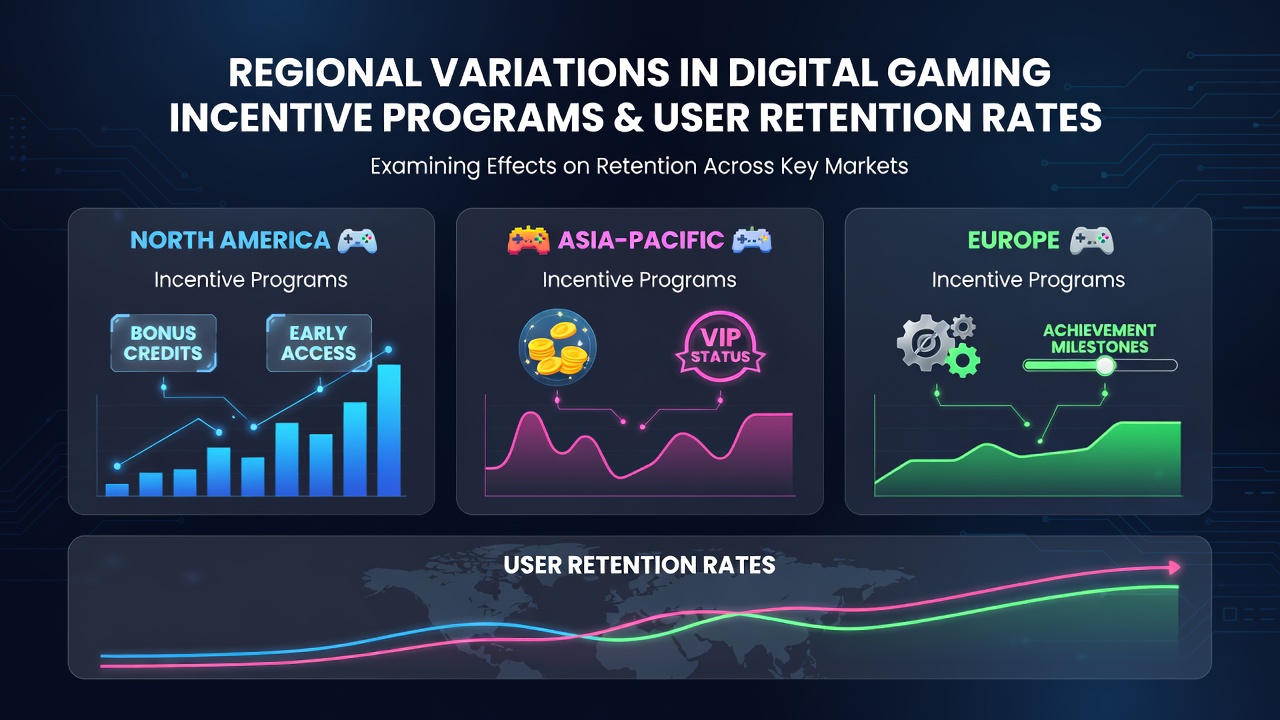
Digital gaming incentive programs display marked differences across regions, and these variations produce measurable impacts on how long users continue engaging with platforms. Operators adjust welcome bonuses, loyalty rewards, and free spin allocations according to local regulations, player preferences, and market maturity, while retention metrics reveal patterns tied to those choices.
North American Approaches and Retention Patterns
Within the United States, state-level rules shape incentive design more than federal guidelines, so programs in New Jersey emphasize deposit matches that convert quickly into play credits, whereas Michigan platforms lean toward tiered loyalty points that unlock progressively larger cashback percentages. Data from the first half of 2026 shows retention rates climbing 12 percent in states where operators combined weekly reload bonuses with personalized free spin offers, yet the same combination produced smaller gains in markets that imposed stricter wagering requirements. Canadian provinces follow a more uniform model, with Ontario's regulated market favoring no-deposit bonuses that require identity verification before payout eligibility, and figures released in July 2026 by provincial regulators indicated these programs sustained monthly active users at rates 8 percent above the prior year average.
European and Asian Market Contrasts
European operators navigate a patchwork of national rules that affect incentive timing and value, so platforms licensed in Malta or Gibraltar often front-load large welcome packages that include both cash and spins, while German operators must cap bonus amounts and extend cooldown periods between offers. Retention studies conducted across multiple EU jurisdictions found that users exposed to smaller, recurring incentives maintained activity levels longer than those receiving one-time large bonuses, with the difference most pronounced in markets that prohibited bonus stacking. In Asia, Singapore's regulated online sector restricts promotional frequency, resulting in fewer but higher-value loyalty rewards that emphasize tournament entry tickets, and operators there report retention curves that flatten more slowly over 90-day windows compared with less regulated neighboring markets where frequent small incentives create higher initial churn once promotional value expires.
Measuring Retention Through Incentive Calibration
Researchers tracking user cohorts across regions note that incentive structures interact with local payment methods and cultural attitudes toward gambling risk, so retention improves when programs align reward frequency with typical deposit cycles. Platforms in Australia, for instance, integrate loyalty tiers with mandatory responsible gaming checks that pause bonus eligibility after loss limits, and data compiled by the Australian Gambling Research Centre shows these calibrated pauses correlate with 15 percent longer average session streaks. Observers note similar effects in South Korea, where operators tie free spin allocations to verified playtime rather than deposit size, producing steadier retention curves that avoid sharp drop-offs after initial promotions end.

Cross-Regional Data Trends Emerging in Mid-2026
July 2026 reports from multiple industry bodies highlighted that retention gains plateau once incentive generosity exceeds regional spending norms, prompting operators to shift toward hybrid models that blend cashback with skill-based challenges. In markets where regulators require transparent disclosure of bonus terms, users demonstrate higher long-term retention because trust reduces early exits triggered by unexpected wagering hurdles. Those who've studied cohort behavior across continents find that programs emphasizing progression systems, such as badge collections or level-up multipliers, sustain engagement in both mature and emerging digital markets, though the magnitude of improvement varies with average session length and device preference.
Conclusion
Regional incentive variations continue to drive distinct retention outcomes, and operators who align program design with local regulatory constraints and player behavior patterns achieve more stable user bases. Ongoing data collection through 2026 will likely refine these observations as new platforms launch and existing markets adjust rules.