Decoding Synchronization Patterns Between Platform Algorithms and Incentive Distribution in Reel-Based Entertainment Systems
Yara Coleman · Jun 26, 2026
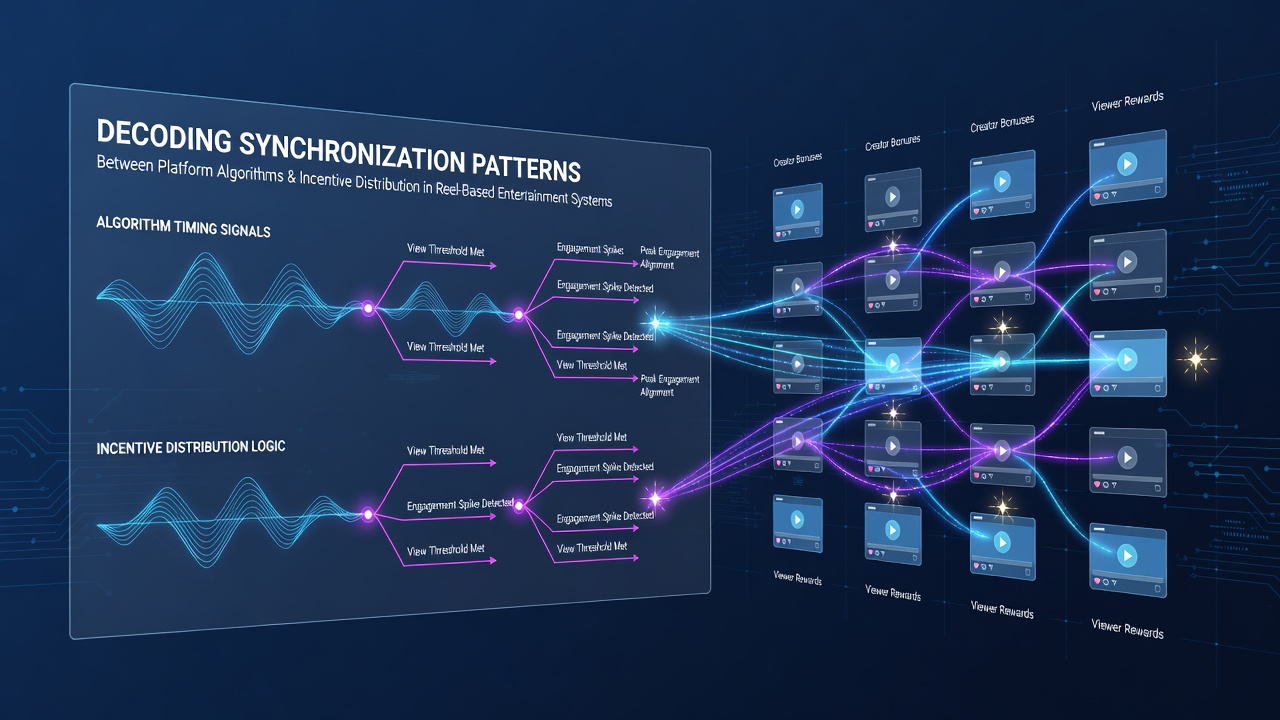
Decoding Synchronization Patterns Between Platform Algorithms and Incentive Distribution in Reel-Based Entertainment Systems
Platform algorithms in reel-based entertainment systems coordinate complex sequences of data inputs to align incentive distribution with user engagement metrics and system performance indicators. These systems process variables including spin frequency, session duration, and payout thresholds while maintaining operational stability across multiple devices and regions. Observers note that synchronization occurs through layered protocols that adjust reward triggers in response to aggregated behavioral data collected from millions of interactions daily.
Core Components of Algorithmic Synchronization
Reel-based platforms rely on modular code structures that separate randomization engines from incentive allocation modules yet connect them through shared data pipelines. Engineers design these connections so that adjustments in one module propagate updates to others within milliseconds. According to reports from the Nevada Gaming Control Board, such integrations help maintain compliance while supporting dynamic reward scaling during peak usage periods in June 2026.
Developers implement feedback loops that monitor reel outcome distributions alongside player retention signals. When patterns deviate from expected baselines the system recalibrates incentive parameters automatically. This process uses timestamped logs and machine learning classifiers to identify correlations between reel mechanics and reward timing without manual intervention.
Patterns in Data Flow and Incentive Timing
Data streams from reel engines feed into central processors that evaluate eligibility for incentives based on predefined thresholds. Synchronization patterns emerge when algorithms cross-reference real-time metrics with historical session data to determine optimal distribution windows. Researchers at the Australian Gambling Research Centre have documented how these cross-references reduce latency between user actions and reward delivery across mobile and desktop environments.
One notable pattern involves staggered incentive releases that align with predicted user drop-off points. Systems analyze aggregate data from prior sessions to position rewards at intervals that sustain activity levels. This approach integrates with broader network architectures where multiple servers handle parallel computations for different geographic clusters.
Another observed configuration links reel volatility settings directly to incentive multipliers through encrypted channels. Adjustments made to volatility profiles trigger corresponding changes in reward pools to preserve overall system balance. Industry analyses indicate these linkages operate continuously with built-in verification steps that confirm consistency before finalizing distributions.
Regional Regulatory Influences on Synchronization Practices
Regulatory frameworks in various jurisdictions shape how platforms structure their algorithmic synchronization. In Ontario for example the iGaming Ontario framework requires transparent logging of incentive triggers which influences the design of data pipelines used for real-time adjustments. Platforms operating under these rules incorporate audit trails that record every synchronization event for compliance reviews.
European operators follow guidelines from bodies such as the Malta Gaming Authority that emphasize fairness in algorithmic decision-making. These requirements lead developers to embed additional validation layers within synchronization routines ensuring incentive distributions reflect verified user activity rather than isolated anomalies. Reports compiled in early 2026 highlight ongoing refinements to these layers as platforms scale operations ahead of seasonal demand shifts.
Technical Mechanisms Supporting Cross-Platform Alignment
Application programming interfaces serve as bridges between reel engines and incentive servers allowing bidirectional data exchange. When a reel outcome meets certain criteria the interface relays details to allocation modules that apply synchronized rules for reward issuance. This architecture supports scalability across cloud environments where load balancing prevents bottlenecks during high-traffic intervals.
Encryption protocols protect the integrity of transmitted synchronization signals while permitting rapid decryption for processing. Engineers test these protocols under simulated conditions to verify performance when handling concurrent requests from thousands of active sessions. Data from system monitoring tools shows consistent uptime metrics that correlate with refined alignment strategies implemented over successive updates.
Conclusion
Platform algorithms and incentive distribution in reel-based entertainment systems demonstrate intricate synchronization patterns driven by data pipelines, feedback mechanisms, and regulatory constraints. These elements combine to support coordinated operations that respond to usage patterns while meeting compliance standards across regions. Continued monitoring by oversight bodies and research institutions provides ongoing insights into how these technical arrangements evolve with industry growth.