Beyond the Reels: Tracing How Affiliate Networks Channel Casino Promotions into Mobile User Acquisition Pipelines
Eden Beck · Jun 14, 2026
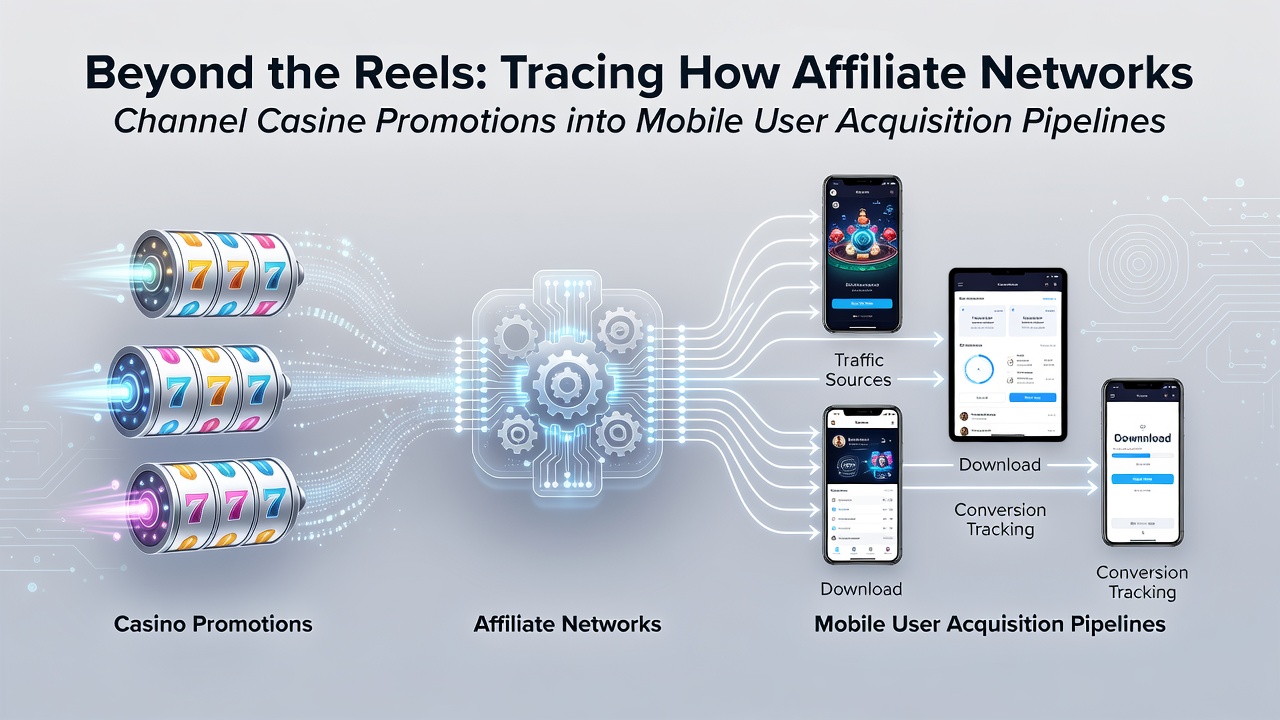
Beyond the Reels: Tracing How Affiliate Networks Channel Casino Promotions into Mobile User Acquisition Pipelines
Affiliate networks function as intermediaries that connect casino operators with publishers and content creators who promote gaming offers, and these networks route promotional content directly into mobile acquisition funnels where users encounter targeted incentives that lead to app installs and first-time deposits. Data from industry reports shows that mobile channels now account for the majority of new player signups in many regulated markets, which means networks must optimize their campaigns for in-app tracking, push notifications, and device-specific landing pages rather than desktop-focused links.
The Mechanics of Promotion Routing
Networks typically operate through performance-based models such as cost-per-acquisition or revenue-share agreements, and operators supply creatives, bonus codes, and tracking parameters that affiliates embed in mobile-optimized websites, social posts, and email sequences. When a user clicks a promotional link from an affiliate site the network records the click, assigns a unique identifier, and redirects the traffic to a mobile app store page or an instant-play interface that registers the conversion once the user completes registration and makes an initial deposit. Researchers at academic institutions have documented how these identifiers allow operators to attribute lifetime value back to specific affiliates, which helps refine bidding strategies for future campaigns.
What's interesting is the way networks segment audiences by device type and geography before serving promotions, since mobile users in different regions respond to distinct bonus structures; for instance, free-spin offers perform better in markets where slot games dominate downloads while deposit-match incentives see higher conversion rates in table-game-heavy jurisdictions. Observers note that networks integrate with mobile measurement partners to handle attribution across app installs and web sessions, ensuring operators receive accurate reports even when users switch between devices during the signup flow.
Mobile Pipelines and Tracking Layers
Acquisition pipelines begin when an affiliate publishes a review or comparison article that includes deep links pointing to casino apps, and these links carry sub-affiliate tags plus campaign identifiers that persist through the install and registration process. Once the app launches the network's tracking SDK or server-to-server postback confirms the install and attributes the user to the originating publisher, which triggers payment under the agreed model. Figures from the American Gaming Association indicate that mobile gaming revenue has grown steadily through 2026, and networks have responded by building dedicated teams that specialize in app-store optimization and push-notification sequences tied to time-limited promotions.
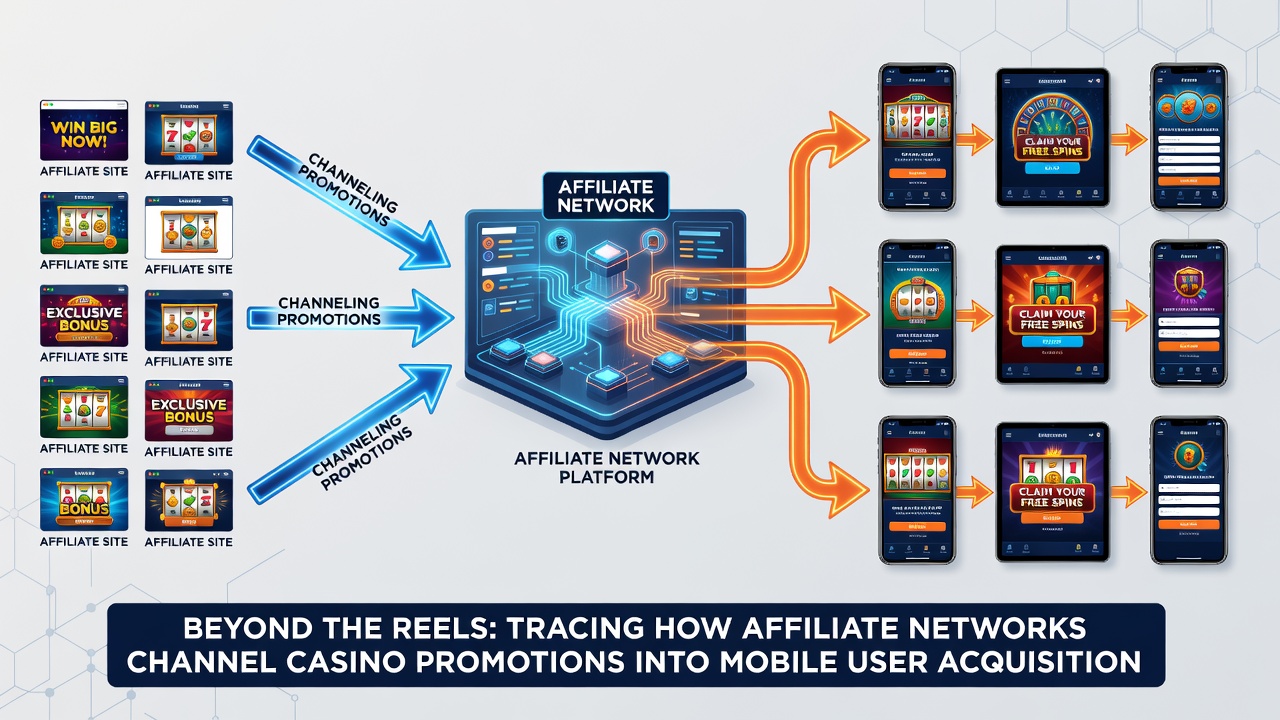
June 2026 brought additional attention to cross-border data flows when several European regulators updated guidelines on player tracking transparency, and networks adjusted their consent flows to remain compliant while maintaining attribution accuracy. Those adjustments include clearer disclosures about how user data travels from affiliate sites to operator servers, which helps sustain trust in the acquisition channel. People who manage these pipelines often rely on real-time dashboards that display click-to-install ratios, deposit conversion percentages, and retention curves segmented by traffic source, allowing quick reallocation of budget toward the highest-performing affiliates.
Case Examples in Regulated Markets
One documented case involved a North American operator that partnered with an affiliate network to promote its new mobile slot titles across Canadian provinces, and the campaign used geo-fenced banner ads plus influencer videos that directed users to province-specific app versions; the network reported a measurable lift in installs during the promotional window compared with non-affiliate channels. Another example comes from Australian operators who worked with local publishers to embed bonus codes in mobile comparison tools, and data shared by the Australian Gambling Research Centre showed that affiliates contributed a significant share of new accounts in the months following regulatory updates on advertising standards. These examples illustrate how networks adapt creatives and tracking methods to fit local rules while still feeding users into the same core acquisition pipeline.
Networks also experiment with loyalty extensions that keep acquired users engaged beyond the first deposit, such as sending personalized push offers based on the original affiliate tag, which can increase repeat activity without requiring additional acquisition spend. Industry organizations have published benchmarks that compare affiliate-driven retention rates against paid-search and social-media channels, and the results help operators decide how much of their marketing budget to allocate to network partnerships versus direct campaigns.
Conclusion
Affiliate networks continue to refine the pathways that move casino promotions from publisher sites into mobile user acquisition systems, and their role has grown as operators prioritize measurable, performance-based traffic sources. Continued evolution in tracking technology and regulatory compliance will shape how these pipelines operate in the months ahead, with networks focusing on accurate attribution and compliant data handling to sustain long-term partnerships with both operators and publishers.