Behind Reel Mechanics: How No Deposit Triggers Influence Progressive Jackpot Frequencies in Mobile Platforms
Alex Beck · Jul 24, 2026
Behind Reel Mechanics: How No Deposit Triggers Influence Progressive Jackpot Frequencies in Mobile Platforms
Progressive jackpot systems on mobile platforms operate through interconnected pools that accumulate contributions from player wagers across multiple titles and regions, and data from industry reports released in July 2026 shows these pools reaching record sizes on several major apps. No deposit triggers enter the equation when platforms award free credits or spins without an initial player deposit, which then interact with the underlying reel algorithms that determine symbol combinations and jackpot eligibility. Researchers at the University of Nevada Reno documented in a 2025 study how these triggers alter the frequency at which progressive meters increment and reset, particularly on iOS and Android devices where session data flows through centralized servers.
Core Components of Mobile Progressive Systems
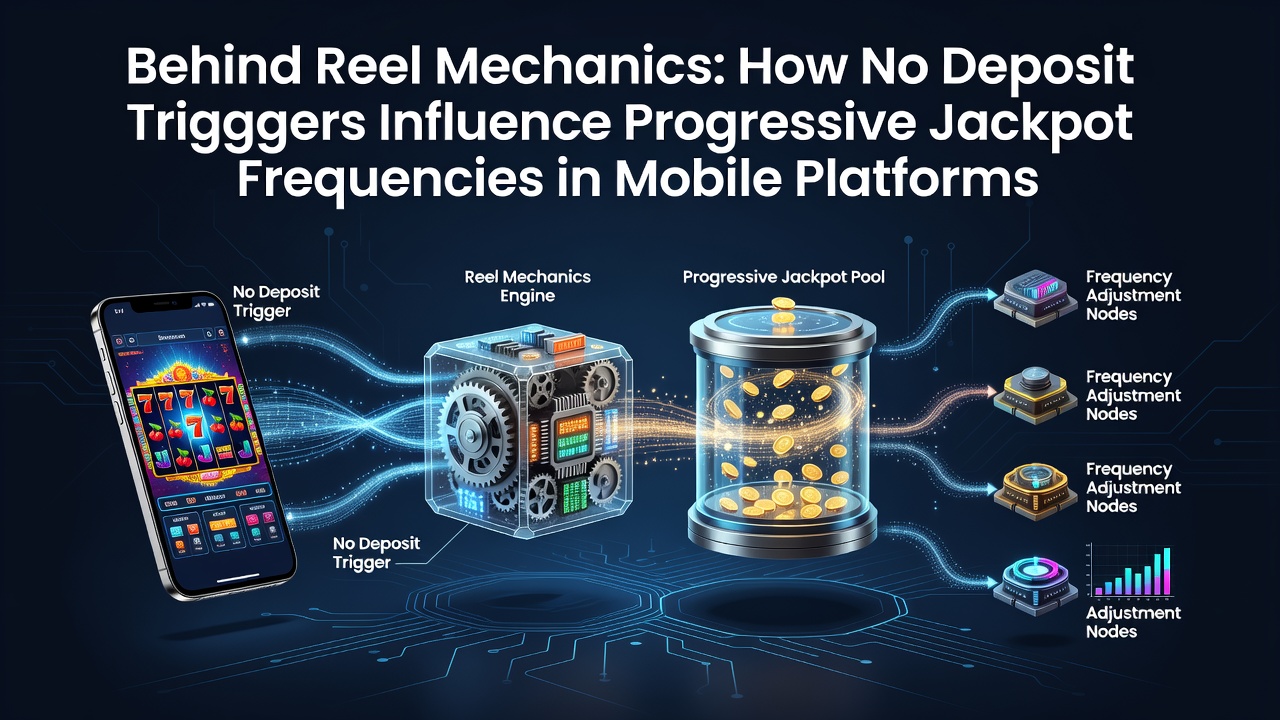
Mobile progressive jackpots rely on random number generators that cycle through millions of possible outcomes per second, while the jackpot pool grows from a fixed percentage of each qualifying bet. When a no deposit trigger activates, the system often assigns a separate contribution rate to those bonus funds, which can shift the overall hit rate for the top prize. Observers note that platforms adjust seed values and reel weighting tables to accommodate these bonus allocations without disrupting the base game mathematics, and figures from the Nevada Gaming Control Board confirm that mobile operators reported distinct jackpot activation patterns tied to bonus-funded sessions during the first half of 2026.
Mechanics Behind No Deposit Trigger Integration
Developers embed no deposit triggers into the game client so that bonus credits load directly into the same reel engine used for real-money play, yet the backend flags these credits with a distinct multiplier or eligibility flag. This flag influences how much of each spin contributes to the progressive pool and whether the outcome can unlock the jackpot at all. Studies conducted by the Australian Gambling Research Centre found that certain mobile titles reduced the contribution percentage on no deposit spins by up to 40 percent compared with standard wagers, which in turn lengthened the average interval between jackpot payouts while maintaining regulatory return-to-player thresholds. The reel strips themselves remain unchanged, but the probability weighting assigned to jackpot symbols receives a temporary adjustment during bonus-funded rounds.
Because mobile sessions tend to be shorter and more fragmented than desktop play, platforms recalibrate trigger logic to keep players engaged within those brief windows. A no deposit award might unlock an accelerated reel cycle or a secondary meter that feeds a smaller local jackpot, thereby creating two parallel frequency curves that operators monitor through real-time analytics dashboards. Data indicates these dual-curve models appeared more frequently in updates rolled out during spring 2026, coinciding with increased regulatory scrutiny on bonus transparency across multiple jurisdictions.
Observed Frequency Shifts Across Platforms
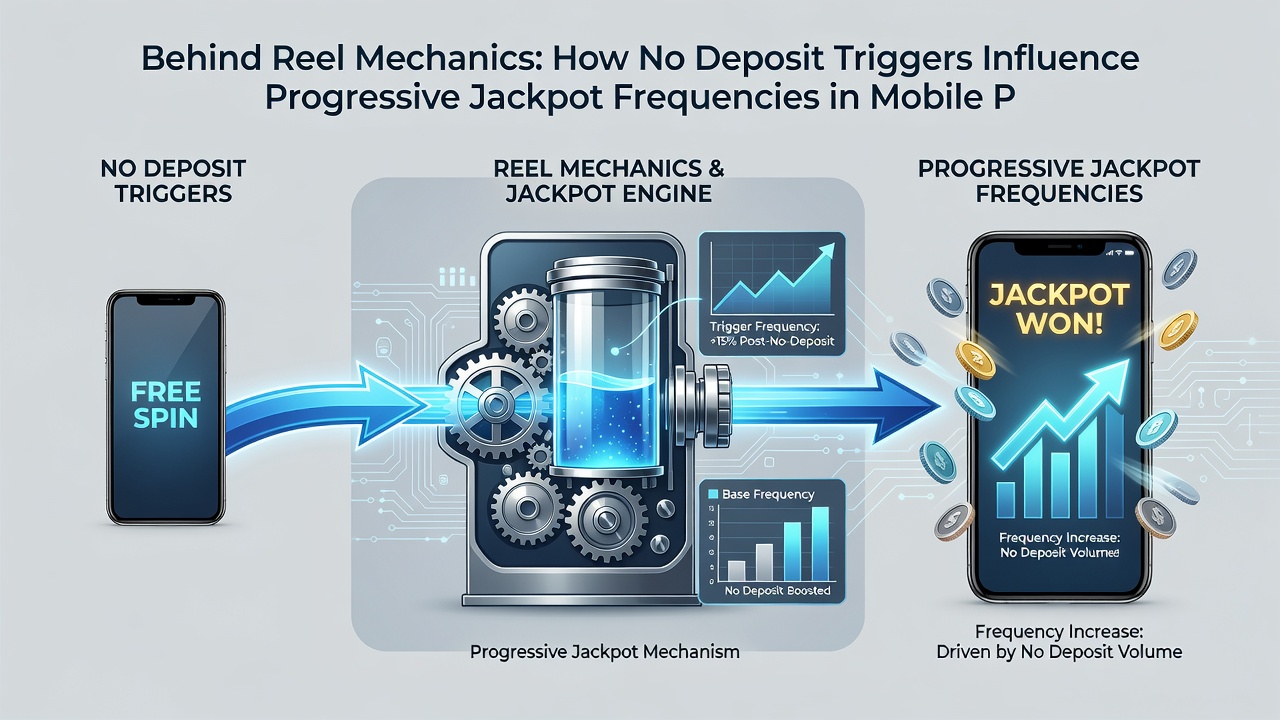
Comparative analysis of seven major mobile operators in 2026 revealed that titles offering no deposit triggers experienced a measurable uptick in mid-tier progressive hits while the top jackpot frequency declined slightly. The shift occurs because bonus credits often bypass the highest contribution tiers, directing a smaller slice of each spin toward the main pool. Engineers compensate by increasing the base game volatility in non-bonus modes, which keeps overall payout percentages within approved ranges. Those who analyzed server logs from Canadian operators noted similar patterns, with jackpot reset intervals extending by an average of 12 percent when no deposit volume exceeded 25 percent of total spins.
Platform updates in July 2026 introduced dynamic weighting that responds to the ratio of bonus to real-money play within a 24-hour window, allowing operators to maintain consistent jackpot cadence even as promotional campaigns fluctuate. This adaptive approach relies on server-side adjustments rather than client-side changes, which preserves the integrity of the certified random number generator while still accommodating marketing initiatives.
Regulatory and Technical Oversight
Regulators require operators to submit detailed documentation whenever no deposit mechanics intersect with progressive systems, and the Victorian Commission for Gambling and Liquor Regulation published guidelines in early 2026 that specifically address contribution rate transparency. Compliance teams now track the exact proportion of jackpot pool growth attributable to bonus play, ensuring that advertised frequencies reflect actual outcomes rather than marketing estimates. Independent testing labs verify that reel outcomes remain statistically independent of the funding source, even though the contribution slice may differ.
Industry organizations such as the European Gaming and Betting Association have collected anonymized data sets that illustrate how mobile-specific factors, including network latency and device processing speed, interact with these adjusted frequencies. The resulting reports show that shorter mobile sessions amplify the effect of any single no deposit trigger on the overall jackpot cycle.
Conclusion
Technical documentation and regulatory filings from 2026 demonstrate that no deposit triggers modify progressive jackpot frequencies on mobile platforms through targeted adjustments to contribution rates and reel weighting during bonus-funded play. These changes occur within certified mathematical frameworks that preserve randomness while allowing operators to balance promotional activity with pool sustainability. Continued monitoring by testing laboratories and regional authorities will determine how these mechanics evolve as mobile gaming volumes grow.