Analyzing Adaptive Reward Calibration in Multi-Device Gaming Loyalty Systems
Anna Beck · Jun 7, 2026
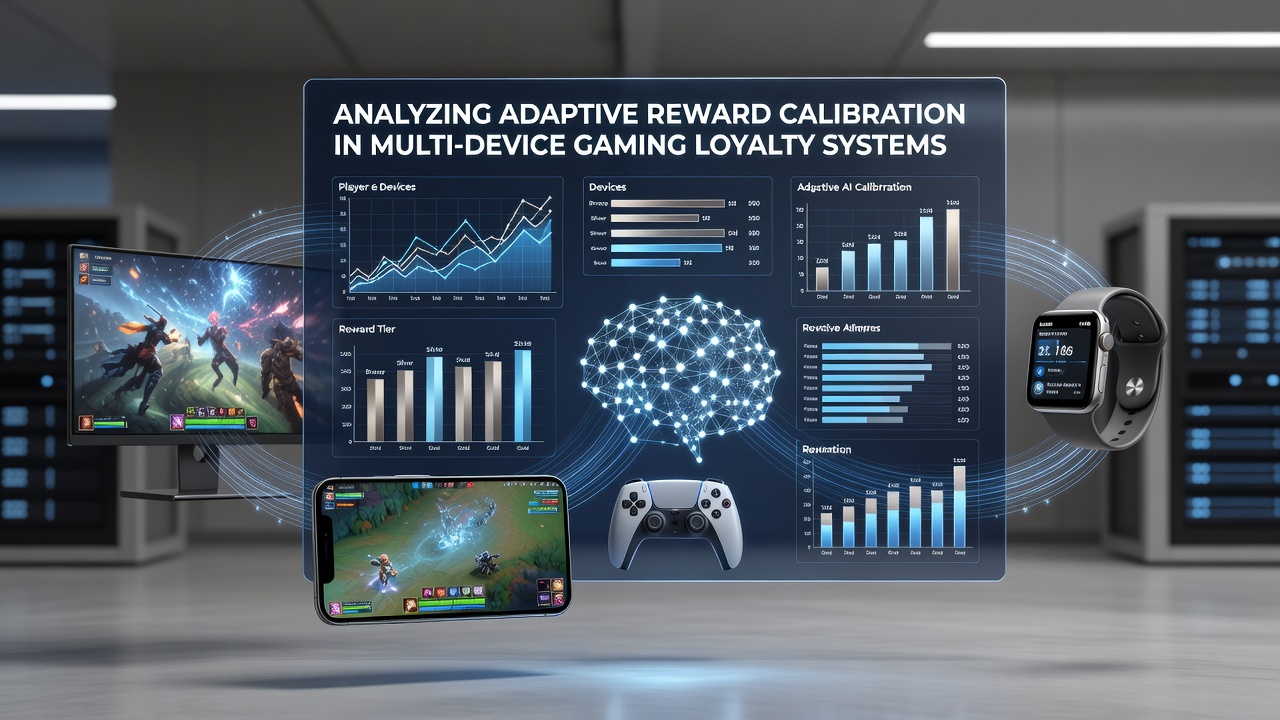
Analyzing Adaptive Reward Calibration in Multi-Device Gaming Loyalty Systems
Operators in the gaming sector have developed systems that track user engagement across smartphones, tablets, and desktop platforms, then adjust loyalty rewards through real-time data processing. These adaptive reward calibration mechanisms evaluate session length, device type, and play patterns to modify point accumulation rates and bonus eligibility without requiring manual intervention from players.
Core Components of Cross-Device Tracking
Data collection begins when users log into accounts that synchronize activity across multiple endpoints, and algorithms assign weighted values to each interaction based on device-specific metrics such as screen size, input method, and connection stability. Research from institutions including the University of Nevada, Las Vegas indicates that calibration models prioritize mobile sessions during peak hours while maintaining separate multipliers for desktop play that occurs later in the evening.
Systems integrate location signals and time stamps to detect switches between devices, which allows the calibration engine to maintain continuity in reward tiers. Observers note that seamless transitions prevent point loss when a player moves from a tablet session to a smartphone during travel, and this continuity supports higher retention rates according to aggregated platform reports.
Algorithmic Adjustment Processes
Calibration relies on machine learning models trained on historical datasets that include millions of user sessions, and these models recalibrate thresholds every few hours to reflect emerging patterns. When mobile engagement spikes, the system may lower the points required for certain rewards to encourage continued play, whereas desktop sessions might trigger different incentive structures tied to longer average session durations.
June 2026 data releases from several North American operators showed that adaptive models reduced reward allocation discrepancies by 18 percent compared with static systems used the previous year. The adjustments occurred automatically after the algorithms processed device-switch frequency and total daily playtime across all endpoints.
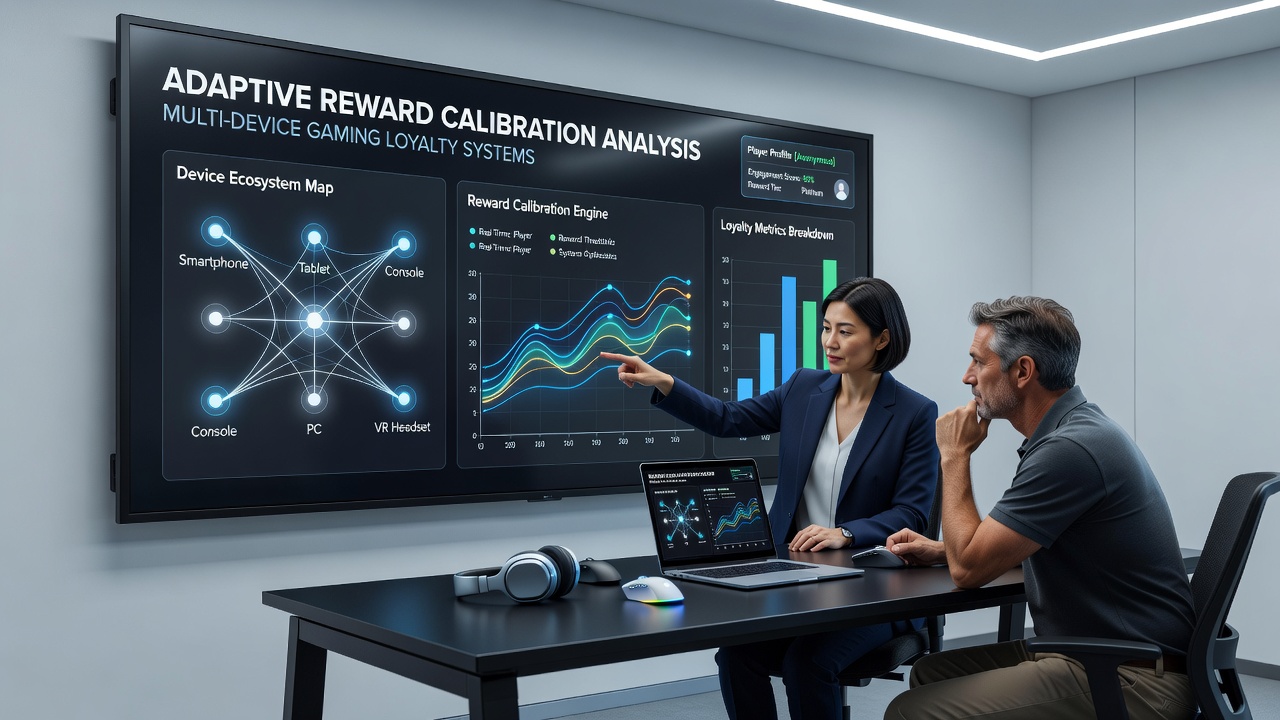
Integration with Existing Loyalty Frameworks
Many platforms embed calibration modules directly into established loyalty programs, so players continue to accumulate tier status while the underlying reward values shift based on device usage. This integration means a user who reaches gold status on a desktop computer receives equivalent mobile benefits without separate enrollment steps.
Industry reports from the Canadian Gaming Association highlight how operators in Ontario deployed these modules during the first half of 2026, resulting in synchronized reward displays that update instantly when users change devices. The approach avoids the fragmentation that occurred in earlier loyalty structures where separate apps managed distinct point pools.
Regional Implementation Patterns
Jurisdictions such as New Jersey and parts of Australia have required operators to disclose calibration parameters in annual compliance filings, and regulators review the models to confirm they do not create unintended advantages for specific device types. Data shared with oversight bodies shows calibration remains neutral across operating systems while still responding to actual usage statistics.
One study conducted by researchers at the University of Sydney examined loyalty records from multiple platforms and found that adaptive calibration increased cross-device participation by encouraging players to continue sessions on whichever device was convenient at the moment. The study covered activity logs collected through 2025 and early 2026.
Technical Challenges and Solutions
Latency during device switches presents an ongoing issue, yet developers address it through edge computing that processes calibration requests closer to the user location. This reduces the time between a detected switch and the updated reward display to under two seconds in most tested environments.
Security protocols encrypt device identifiers and behavioral logs to prevent unauthorized access, and operators conduct regular audits that verify calibration outputs align with stated parameters. Those audits, often performed by independent firms, confirm that reward adjustments remain consistent regardless of the order in which devices connect to an account.
Future Directions in Calibration Models
Developers continue to refine models by incorporating additional variables such as battery level and network type, which influence how rewards are presented during mobile sessions. Early tests conducted in mid-2026 demonstrated that accounting for these factors further stabilized reward distribution across device categories.
Collaboration between software providers and gaming associations has produced standardized APIs that allow smaller operators to implement similar calibration features without building entire systems from scratch. These shared resources have accelerated adoption in markets where multi-device usage exceeds 70 percent of total player activity.
Conclusion
Adaptive reward calibration in multi-device gaming loyalty systems operates through continuous data analysis and automated adjustments that respond to observed player behavior across endpoints. Reports from regulatory filings and academic reviews confirm measurable effects on session continuity and point distribution, while technical safeguards maintain compliance and security. As platforms expand these capabilities, the calibration processes will likely incorporate additional contextual signals to maintain balanced reward structures across all participating devices.